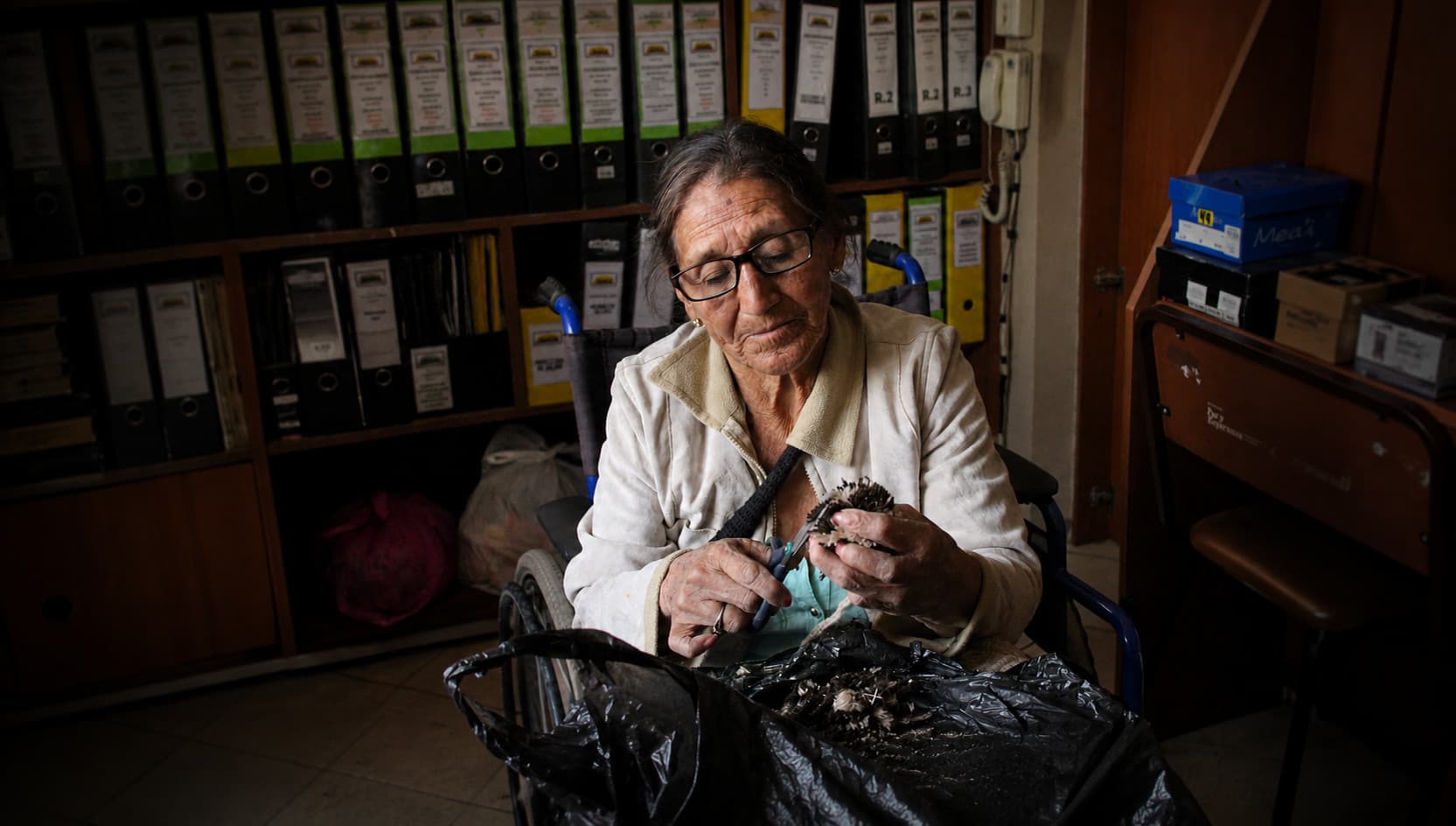
How we work
Our strategy is holistic training for people with disabilities.
Our conviction
“Every person with a disability has the right to lead their own economic and social development. What is usually missing is not ability, but the tools and the means to exercise it. That is where we work. We teach a trade and, with it, the possibility of a full and independent life. We start from each person’s potential and help it grow.”Richard Diego Roque · Director and co-founder. Sociologist and instructor.
The training model
Three pillars, one holistic approach.
Renacer does not train in the trade alone. It works on three pillars at once, each supporting the others. That combination is what makes holistic training possible and prepares the person for the real challenges of working life.
Technical and productive training
The person learns a trade with real market prospects and quality technical instruction, built on discovering their own potential. What they produce can become an income of their own, in their own community or through the sale of their products.
Psychosocial support
Work on self-esteem and life skills to prepare the person for the real world, overcome barriers and move toward their own enterprise. This is what turns a learned trade into a sustainable life.
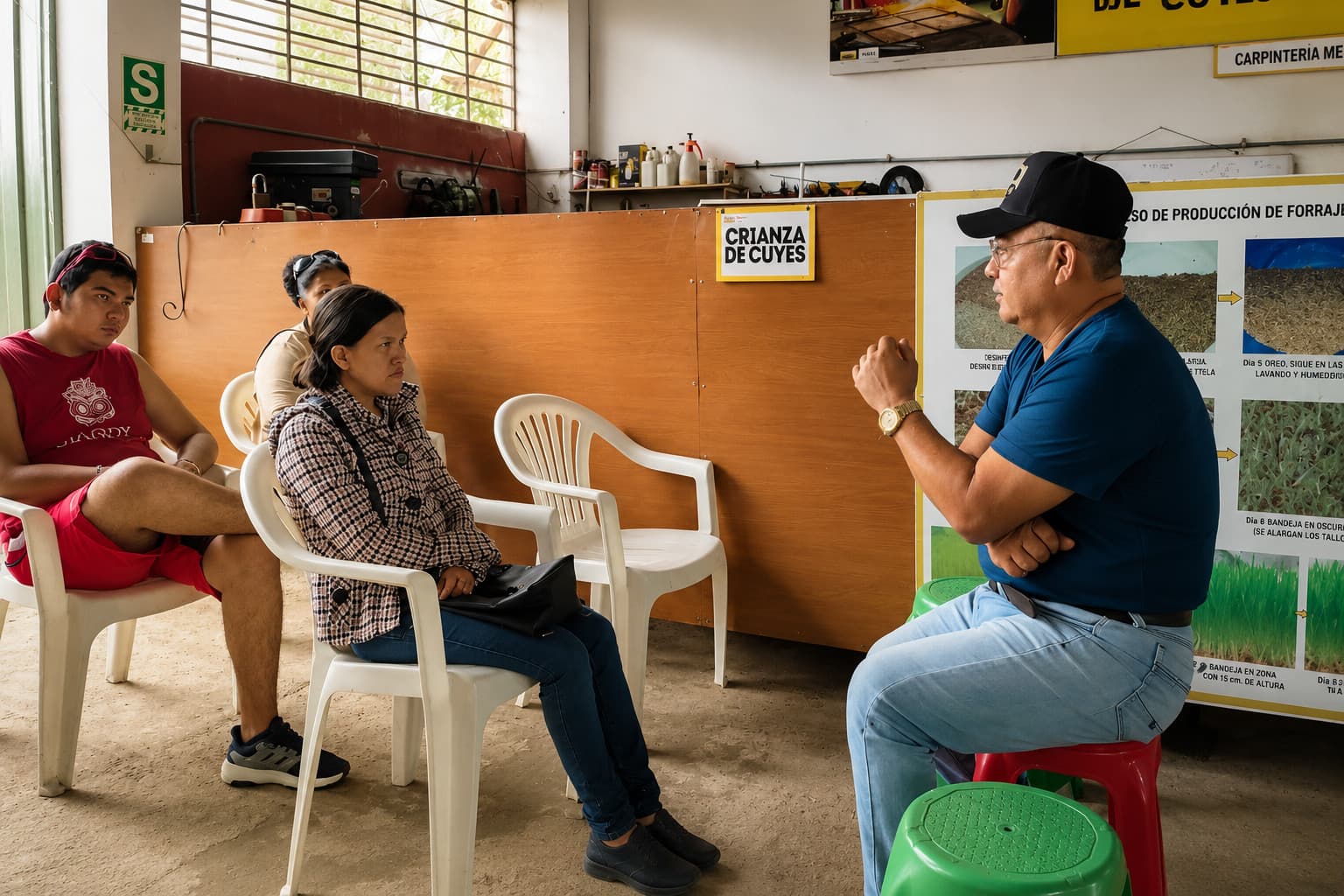
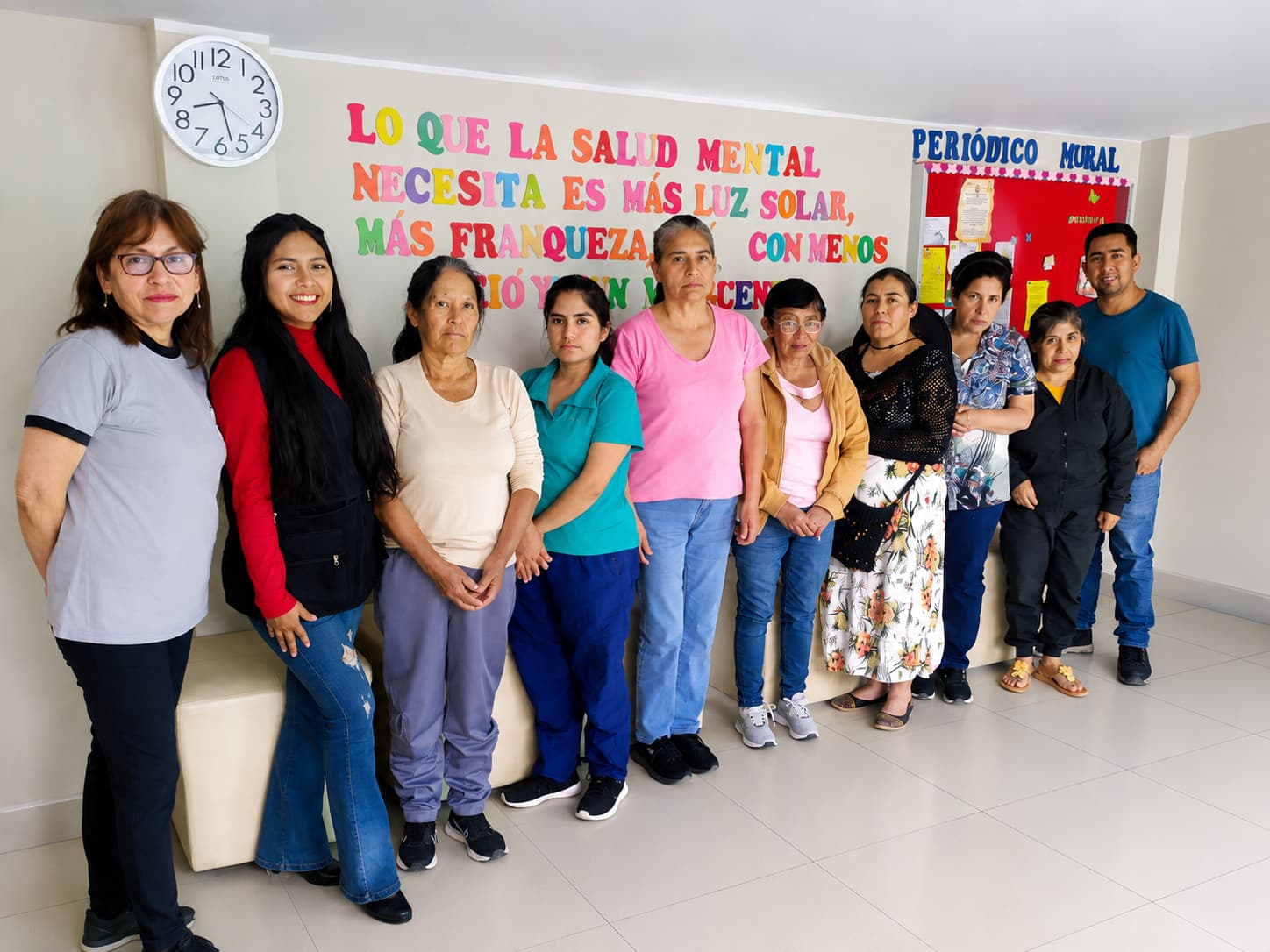
Family training
The family is trained to challenge assumptions about disability and to recognize what their family member can really do. Instead of holding them back, the family becomes an active ally in their independence.
Local coordination
A model with local partners
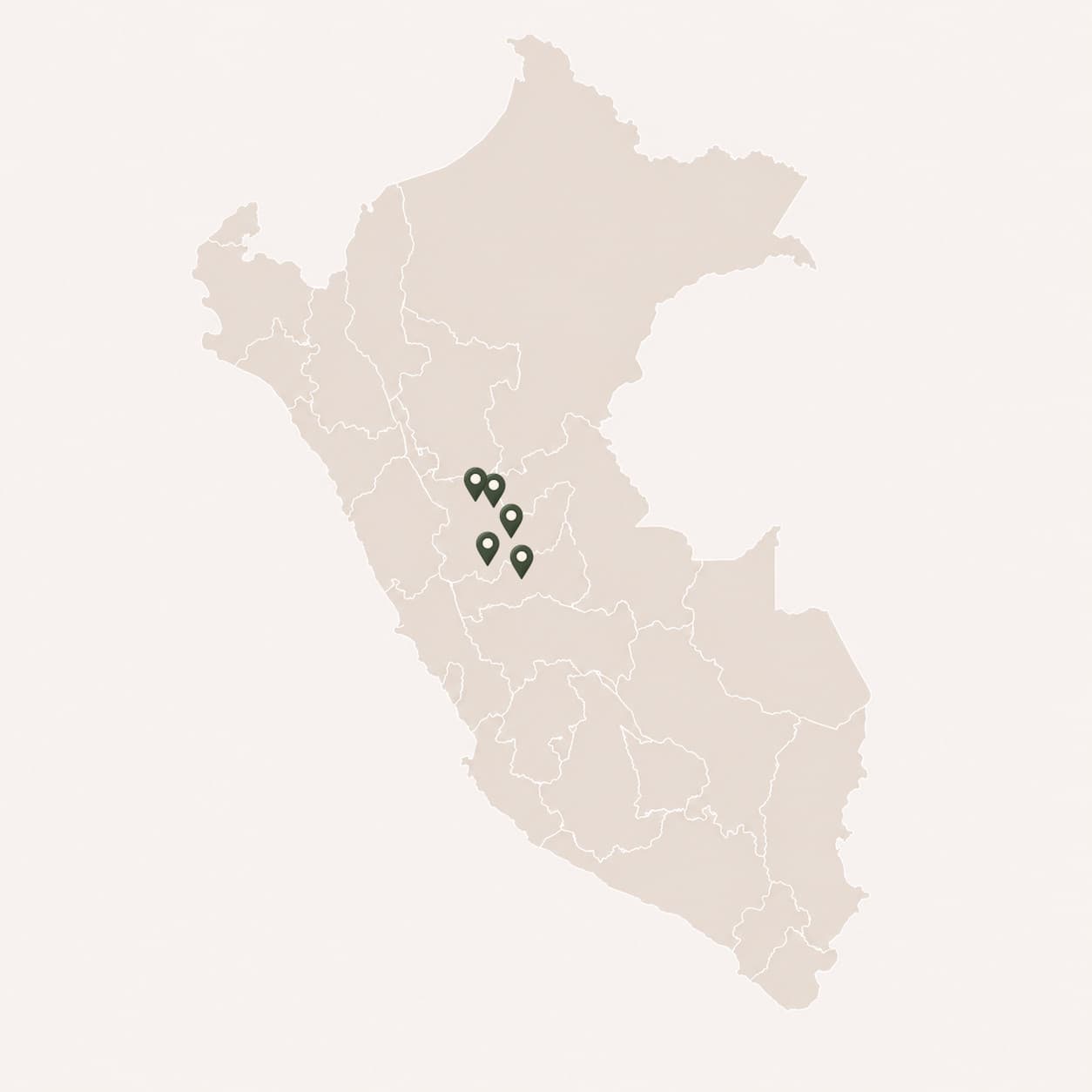
Renacer does not operate in isolation or rely on a single source. It works closely with the national government and the municipalities of the districts where it operates.
A rights-based approach (CONADIS). Through CONADIS, people are entered into the government’s official registry and gain access to the rights that already belong to them as citizens.
Local contribution (municipalities). They provide venues, meals and, in some cases, transportation. The contribution depends on the resources and possibilities of each municipality, but it is modest, real support that shares responsibility and makes the model replicable.
The workshops
Each trade, the program in action
Each trade is chosen according to the person’s potential and the real opportunities in their social and economic surroundings.
Metalwork
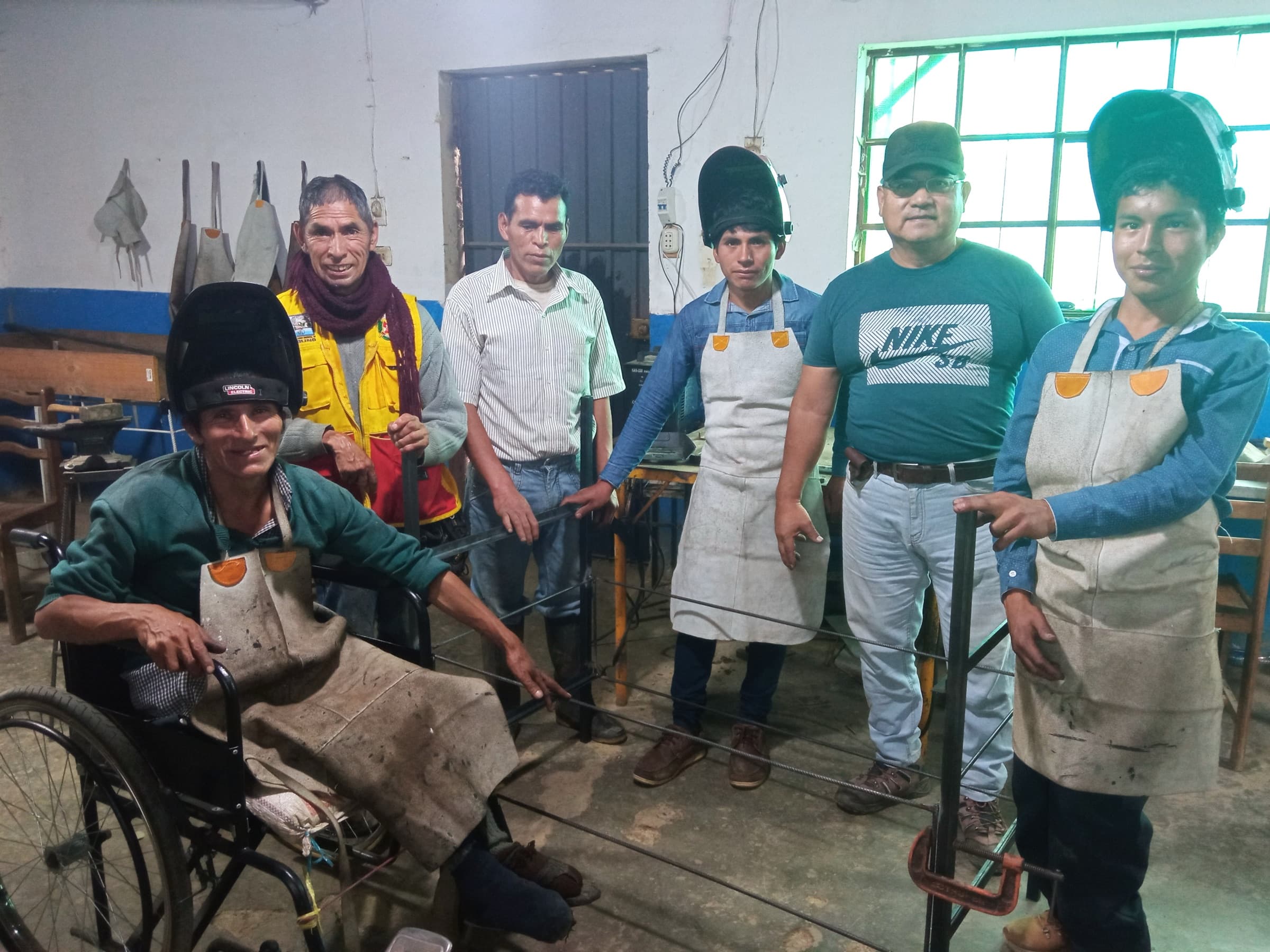
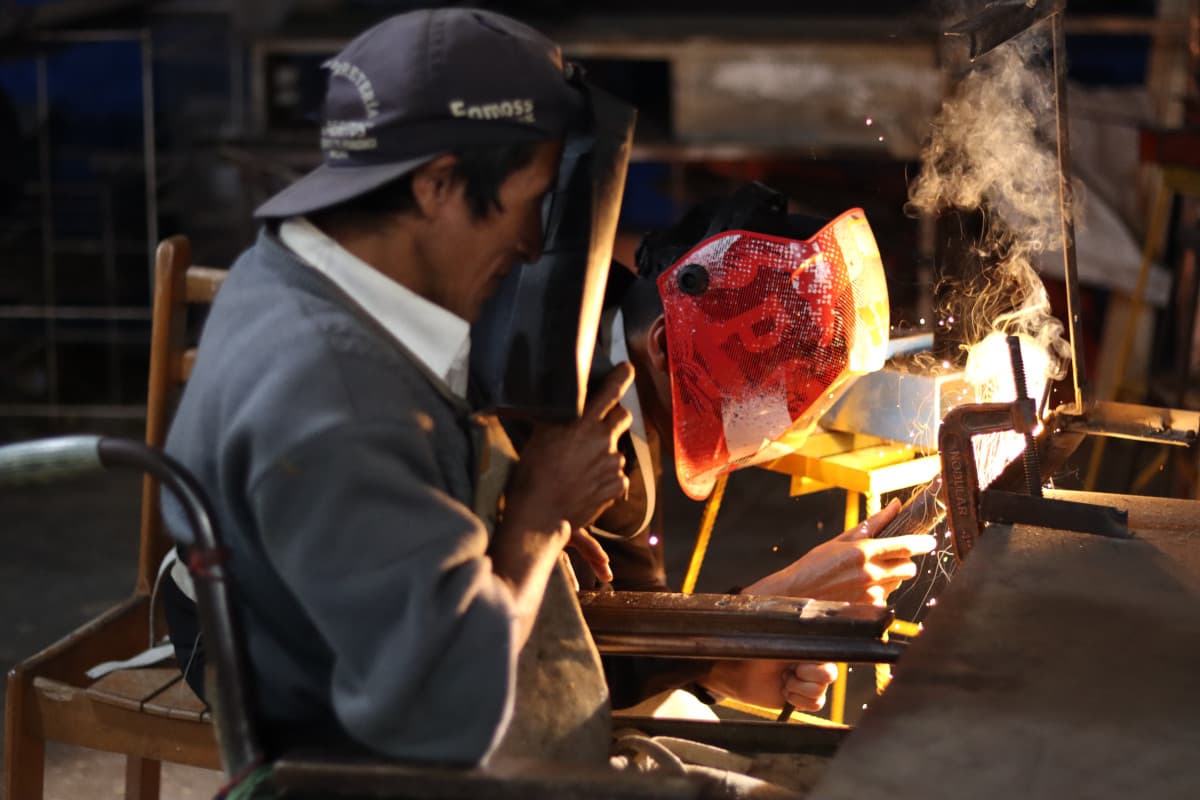
Productive metalwork brings together welding, structures and metal products, a trade with steady demand and a real economic outlet in the local market. During the training, the workshop supplies the others and builds the cages for guinea pig farming and furniture for the other workshops. With it, the person not only learns a technique, but takes away a tool to generate their own income and sustain it over time.
Guinea pig farming
Raising and eating guinea pigs is deeply rooted in Andean culture, which keeps demand steady in the region. In the workshop, the person learns to raise them, to produce their own feed and, above all, to turn the trade into a profitable business. It is an activity they can continue from their own home and sustain over time as a source of income.
Weaving and crafts
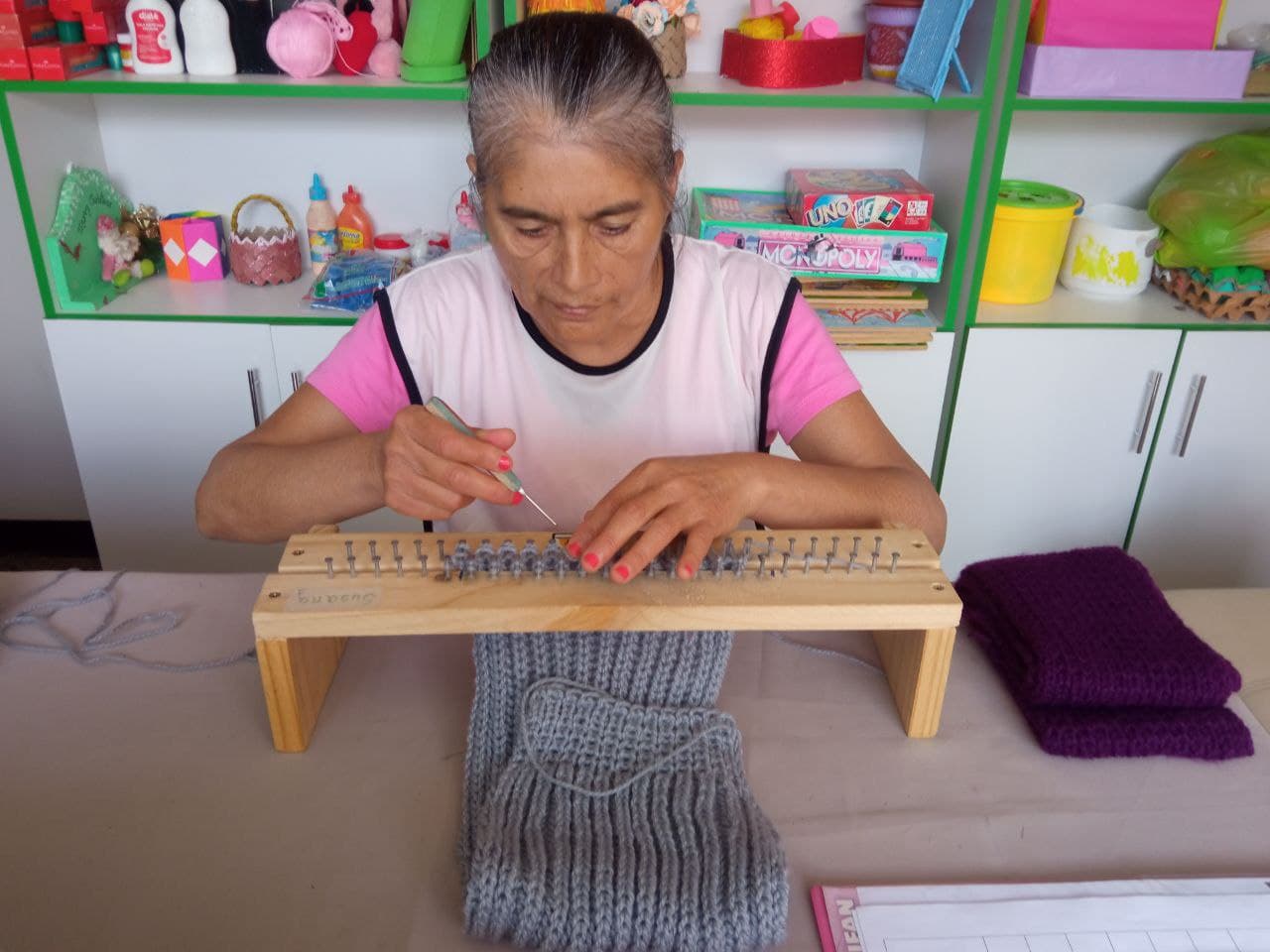
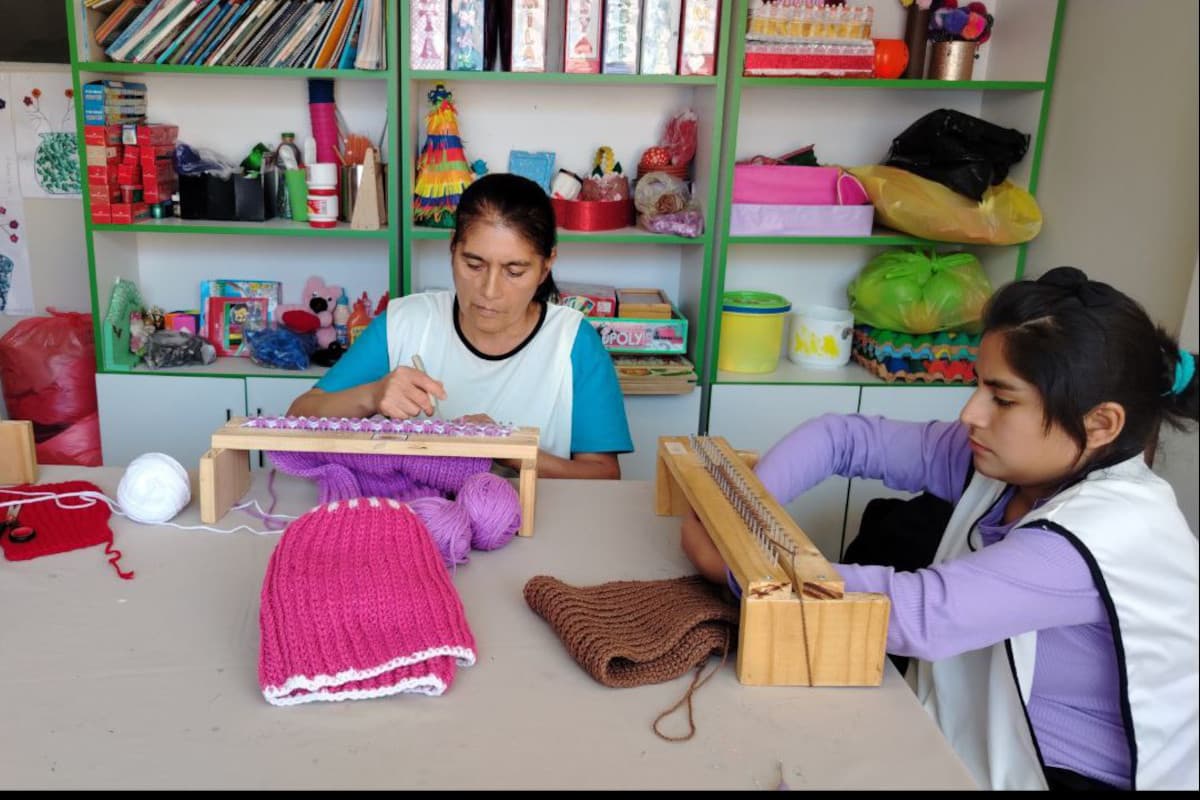
Garments and crafts of marketable quality, with products that have even reached fashion runways and craft fairs. It is a tactile, detailed trade, open to very different profiles and especially accessible to participants who are blind or have low vision. The person develops the knowledge and the fine skill that allow them to build a sustainable source of income.
Cooking and baking
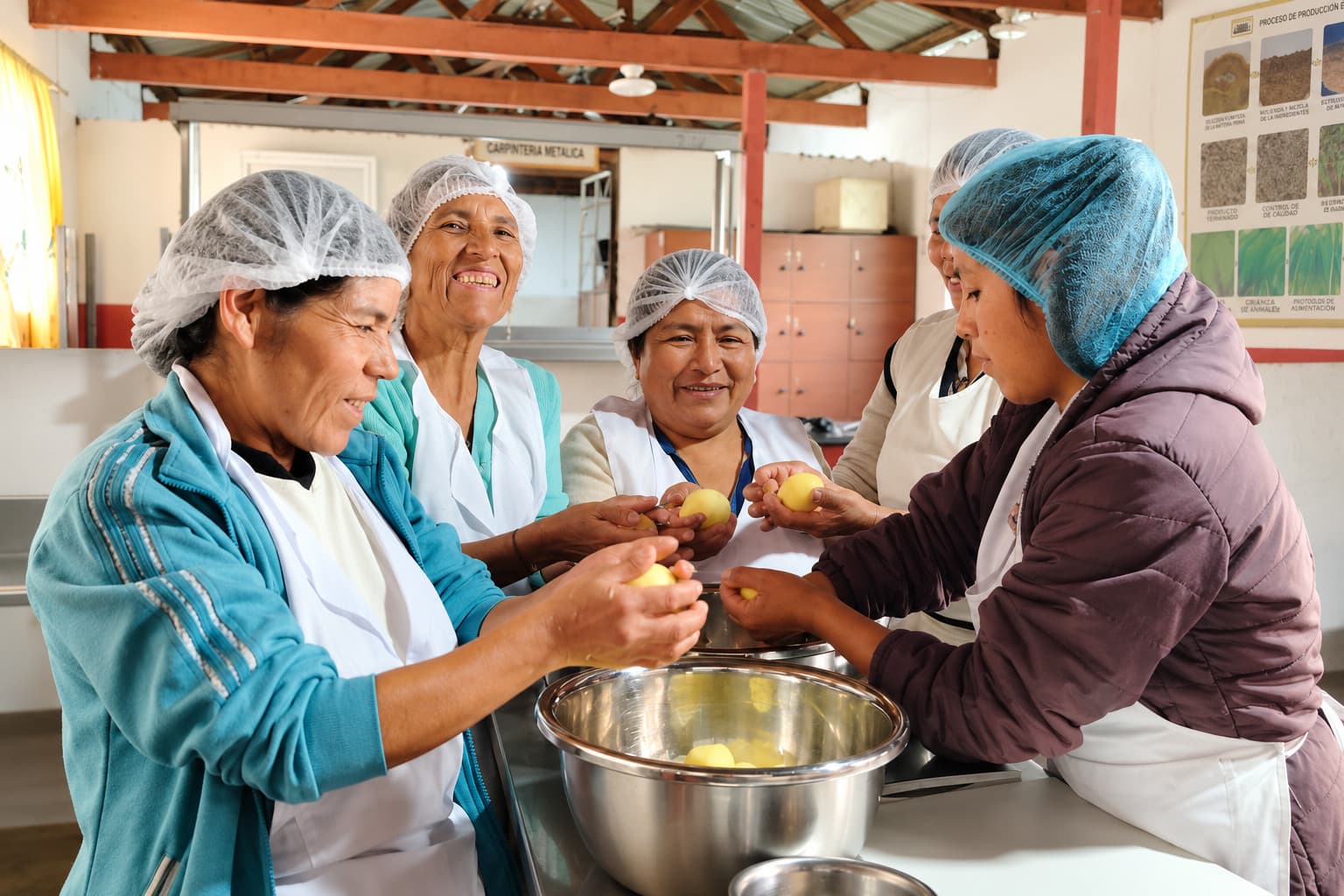
In Peru, food is a central part of the culture, and in the region there is steady demand for snacks and small dishes to buy during the day. In that context, the workshop trains the person to produce food and turn it into a profitable business. They make baked goods, such as cakes and desserts, and typical dishes of Peruvian cuisine, which vary according to the customs of each area. And it is not only about cooking, but also about managing costs, reinvestment, hygiene and sales techniques. On that foundation, many people manage to start out on their own and live from their own work, a real step toward the independence they seek.
Hydroponics
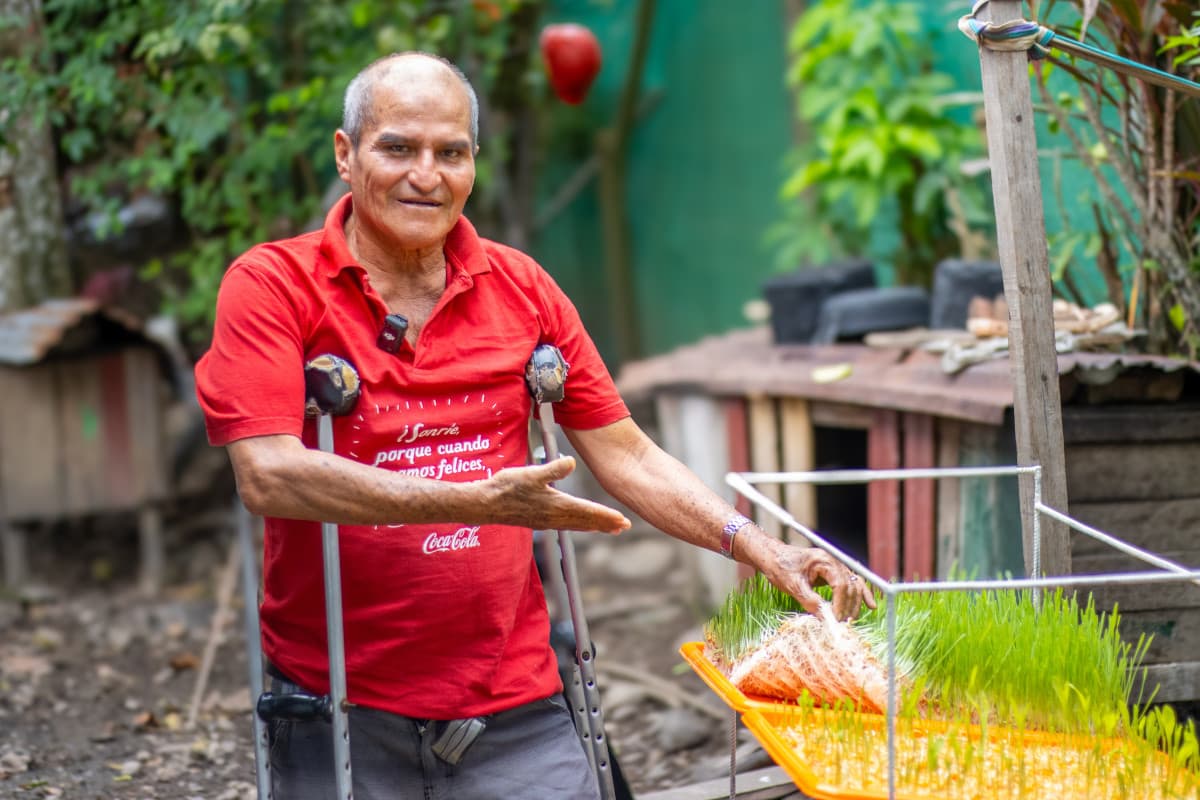
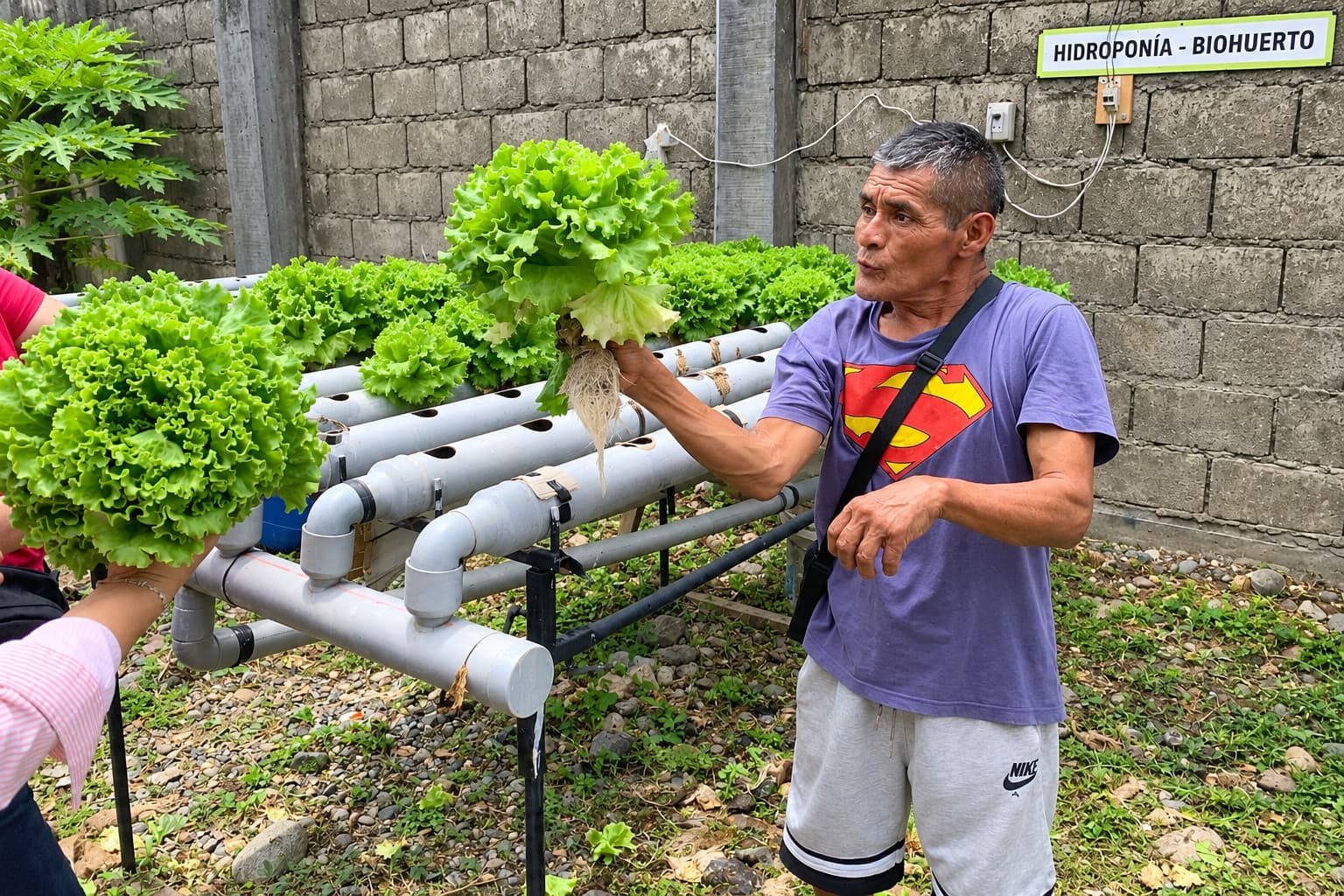
Hydroponics allows vegetables to be grown without soil, especially lettuce, which grows easily, is in high local demand and uses very little water. Renacer provides the materials and teaches the whole trade, from growing to selling. With an outlet in neighborhood shops and local restaurants, it becomes a clean and sustainable source of income that the person can run from their own home.
Would your organization like to be part of this work?
We’ll tell you how we work, with whom, and why we are a serious and reliable partner.
For institutional partners